
Will or Trust?
There are some documents all of us should have in case we become incapacitated and need a trusted person to speak on our behalf. If you reside in Florida, or have property here, these documents should ideally comply with the estate planning requirements of Florida law.
Most adults have no will. If you die without one in Florida, the court—not you—decides who inherits under intestacy laws. That often means months of public probate, extra cost, and assets going to people you may not have chosen. A will is an important start, but it is not enough by itself. It takes effect only at death, does not avoid probate for property left in your name, and does not appoint anyone to manage your finances or medical care if you become incapacitated.
The documents below work together so you keep control during life, your home and other assets can pass with less court delay, and the people you trust can act when you cannot.

Durable power of attorney
One of the most important estate planning tools. It names an agent to handle finances and legal matters—banking, bills, property, benefits, and similar tasks—if you cannot. “Durable” means it continues even after incapacity. In Florida this is a financial document, not a medical one.
Designation of health care surrogate
Names the person who may make medical decisions and obtain health information if you cannot speak for yourself. This is Florida’s version of a medical power of attorney. It does not control your money.
Living will
States your own wishes about life-prolonging treatment if you have a terminal condition, an end-stage condition, or are in a persistent vegetative state and cannot decide for yourself. The living will says what you want. The surrogate is the person who can carry those wishes out and decide other medical issues.
Planning Tools
Should I have a Will or a Trust?
A will states who receive assets left in your name, who serves as personal representative, and, if needed, who should care for minor children. A will takes effect only after death and generally must go through Florida probate. One exception is if you are married and all property is jointly held.
Revocable living trust
A legal arrangement you create during life to hold assets you transfer into it. You usually serve as trustee and keep full control. You can change or cancel it while you have capacity. At death or incapacity, a successor trustee follows your instructions—often without probate for assets titled in the trust.
Will versus revocable trust
A will is a set of instructions the court carries out after you die. A revocable living trust is a container that already owns the assets you put in it, so those assets can pass privately and usually faster, without the full probate process. Most trust plans still include a simple pour-over will as a safety net for anything left outside the trust.
How a Lady Bird Deed May Protect Property
A Enhanced life estate deed, also commonly called a Lady Bird deed, is a document that lets you keep full control of real estate during life—including the power to sell, mortgage, or change beneficiaries—while naming who receives that property at death, generally without probate of that parcel. It is different from a traditional life estate, which usually requires the remainder beneficiaries’ consent to sell or refinance.
Why is a lady bird deed a good idea
A home titled only in your name and left by will usually must go through probate. That process is public, can take many months, and adds court and attorney costs. Titling the home in a funded revocable trust typically lets a successor trustee transfer it according to the trust without opening probate on that property. You keep control during life. Homestead protections generally continue when the trust is drafted correctly.
Important limits still apply. Florida’s homestead rules can restrict who may receive the home if you are survived by a spouse or minor child. A trust does not erase those constitutional restrictions. Married owners and anyone with minor children need tailored advice before recording a deed. A Lady Bird deed can be a narrower tool when the main goal is passing one Florida property outside probate while keeping lifetime control. A trust is broader: it can cover the home plus accounts and other assets, and it can help if you become incapacitated.
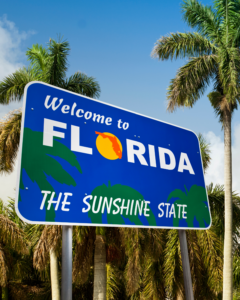
Non us citizens
If you own property in the United States, estate planning documents can help you avoid probate court hassle and expense.
Florida real estate and money in a U.S. bank follow U.S. and Florida law. Your property and funds can be frozen, probated, or passed under intestacy without valid local estate planning documents. A home titled in a genuine non-U.S. company usually avoids Florida probate of that property and can keep it outside the U.S. estate-tax base, but not a home titled in your personal name. A Florida durable power of attorney is still needed for a U.S. bank account in your personal name, or the cash can be frozen.

Contact TODay
Contact me for a free consultation and review of your personal estate planning needs.
+1 561 618 0570
satu@svahnlaw.com